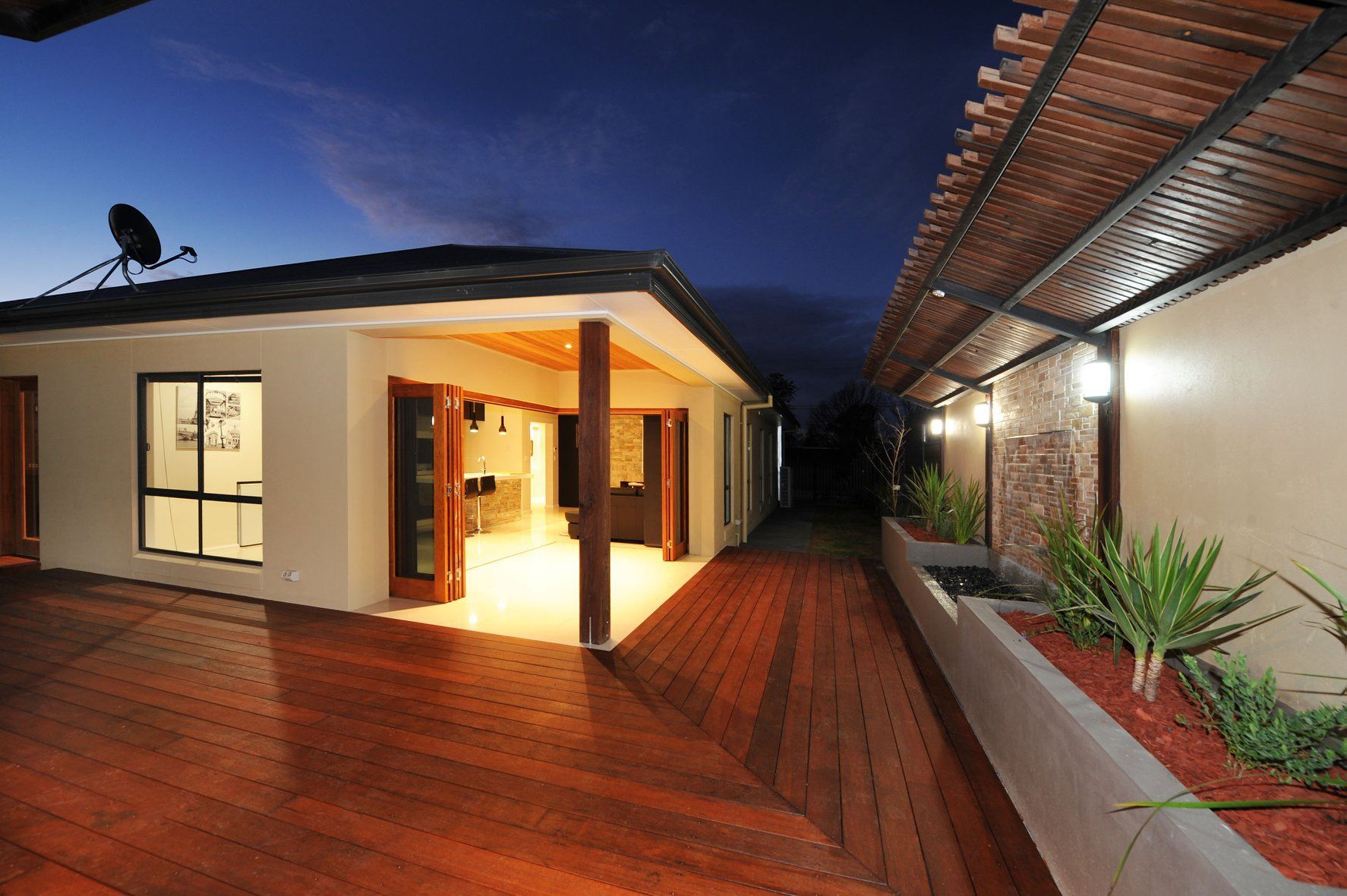
Why Communication Is Essential When Working With Builders In Mudgee
Good building communication should be regular, written where it matters and connected to clear stages of the project. For homeowners comparing builders in Mudgee, this can be just as important as price, inclusions or design experience. A build or renovation involves decisions, trades, materials, weather and payment milestones, so uncertainty can quickly create stress when updates are inconsistent. Clear communication gives homeowners a better understanding of what has been completed, what is happening next and when they need to make a decision. In a regional market, it also helps protect the construction program because trades and materials are often booked well ahead.
The Short Answer: Good Builder Communication Is Written, Regular & Tied to Build Stages
Good communication is not about receiving a message every few hours. It means knowing who your main contact is, when updates will arrive and which decisions need to be documented. Important changes should be confirmed in writing, while progress discussions should relate back to the agreed scope and construction stages. This creates a clearer record for both the homeowner and builder.
A well-communicated project should include:
- A consistent point of contact for questions and decisions.
- Written confirmation of changes affecting scope, price or timing.
- Updates linked to identifiable stages of construction.
Clear records reduce uncertainty and make it easier for everyone to understand what has been agreed as the project develops.
How Often Should Your Builder in Mudgee Update You During a Build?
There is no single update schedule that suits every project, but homeowners should know how often they can expect to hear from their builder before work begins. Weekly updates can be useful during active construction, while certain stages may need extra conversations about selections, site conditions or upcoming trades. This is also an important part of understanding how to work with a builder during your renovation, where unexpected conditions can sometimes change the sequence of work.
Before construction starts, it helps to agree on:
- How often routine progress updates will be provided.
- When site meetings will take place at key construction milestones.
- Who will contact you if a decision, delay or change affects the program.
Consistent updates help homeowners stay informed, while timely decisions on selections and approvals can help keep scheduled work moving.
What Should a Variation Look Like Before You Agree to It?
A variation is a change to the agreed building work, and it should not exist only as a conversation on site. If a client changes a kitchen layout, upgrades a finish or requests additional work, the change should be documented before the affected work proceeds wherever practicable. The written variation should clearly describe what is changing and explain its impact on price and, where relevant, timing.
Before agreeing to a variation, homeowners should be able to identify:
- Exactly what work, material or design element is changing.
- The price adjustment associated with that change.
- Any likely effect on the building schedule.
Verbal-only changes create unnecessary uncertainty. Written and agreed variations give both sides a reliable reference and help prevent surprise costs appearing at the end of the project.
How Do You Know a Progress Payment Matches the Work Done?
Progress payments should correspond with stages set out in the building contract rather than feeling like unexpected invoices. Depending on the project, familiar stages can include the deposit, slab, frame, lock-up, fixing and practical completion. The contract should explain when each payment becomes due and what stage of work it represents.
Understanding this process is part of what to expect when hiring a building contractor, particularly on a substantial residential project:
- Check the payment schedule before signing the contract.
- Compare each claim with the named stage that has been completed.
- Raise questions promptly if the work and payment stage appear inconsistent.
A clear stage-based system makes it easier to understand why a payment is being requested and how construction is progressing.
What Are the Red Flags of Poor Builder Communication, & Why Do They Hit Harder in a Regional Market?
Poor communication often becomes obvious through patterns rather than one missed phone call. Repeated verbal promises, unexplained delays, unclear invoices or difficulty identifying who is responsible for decisions can all make a project harder to manage. When clients are left guessing about milestones or costs, confidence can fall quickly even if physical work is continuing.
When comparing builders in Mudgee, watch for communication habits such as:
- Significant changes being discussed verbally but never documented.
- Milestones being missed without an explanation or revised plan.
- No clear person available to answer questions about site progress.
These issues can have extra consequences around Mudgee, Gulgong and Rylstone because trades and materials may be scheduled well in advance. Losing a booked trade slot can affect more than one day of work.
What Good Communication Looks Like at Each Build Stage
Communication needs change as construction progresses. Before work starts, homeowners need clarity about plans, selections and the program. During structural stages, updates should focus on progress and upcoming decisions. Later in the build, attention shifts towards finishes, completion items and handover. A selections schedule can also help prevent decisions being left until trades or materials are already due.
A simple communication checklist includes:
- Before construction: confirm plans, selections, contacts and payment stages.
- During construction: receive progress updates and document any variations.
- Approaching completion: review remaining work, practical completion and handover requirements.
This structure gives homeowners useful information without turning every small site activity into a separate update.
Questions to Ask a Builder Before Signing
A builder's communication approach can often be understood before the contract is signed. Asking practical questions gives you an idea of whether the process is organised and whether expectations are aligned. The answers should be clear enough that you know how information will reach you once construction begins.
Useful questions include:
- Who will be my main contact once work starts?
- How are variations, delays and progress claims communicated?
- How often should I expect site or project updates?
A builder who can explain the communication process clearly at the quoting stage gives you a better basis for comparing more than price alone.
Start With a Clear Conversation
Choosing a builder is also choosing who you will communicate with throughout a significant project. Whether the work involves a new home, renovation or extension, clear updates help homeowners understand progress, make decisions on time and manage changes before they become surprises. For people assessing builders in Mudgee, asking about communication standards before signing can reveal a great deal about how the project is likely to be managed.
We at
Jaycee's Constructions have been building throughout Mudgee and surrounding areas for almost 30 years, with our team involved from early planning and slab work through construction and interior finishings. If you are planning work in Mudgee, Gulgong or Rylstone, talk with us about how we keep clients informed on site and
request an obligation-free quote for your project.
Frequently Asked Questions
How Often Should My Builder Update Me During Construction?
There is no universal schedule, but updates should be regular enough that you understand current progress, upcoming work and any decisions required from you. Agreeing on a communication routine before construction begins helps prevent uncertainty. Additional updates should also be provided when delays, variations or significant changes affect the agreed program.
Should Every Building Variation Be in Writing?
Changes affecting the agreed scope, price or work should generally be documented clearly rather than relying on verbal conversations. A written variation should explain what is changing and its financial impact before the relevant work proceeds wherever practicable. This gives both homeowner and builder a clear record of the agreed change.
What Should I Check Before Paying a Progress Claim?
Check the payment schedule in your contract and identify the construction stage linked to the claim. Compare that stage with the work completed on site and ask questions if anything is unclear. Progress claims should relate to the agreed payment structure rather than arriving without a clear connection to completed work.
What Is a Warning Sign of Poor Builder Communication?
Repeated unexplained delays, verbal-only variations, surprise costs and difficulty reaching anyone responsible for the project are all warning signs. One missed call is not necessarily a problem, but a consistent lack of documentation or updates can make it difficult to understand how the build, budget and timeline are progressing.